The symptoms of the bubonic plague are important to be aware of even disregarding the fact that it nowadays is not very common. Whereas approximately two-thirds of Europeans died of bubonic plague in the fourteenth century-more than 25 million-today, the disease does not afflict many others worldwide. There are, in truth, only 5 or 6 cases of plague known per annum in the United States, mostly in rural or semirural life in western states.
- Understanding the Three Forms of Plague
- Bubonic vs Septicemic vs Pneumonic: Key Differences
- How Yersinia pestis Affects Different Body Systems
- Bubonic Plague Symptoms: What to Watch For
- Septicemic Plague Symptoms: Bloodstream Infection Signs
- Signs of Shock: Low Blood Pressure and Seizures
- Pneumonic Plague Symptoms: Lung Involvement and Rapid Decline
- Persistent Cough with Bloody Mucus
- Symptoms After Flea Bites or Animal Contact
- Conclusion
- FAQs
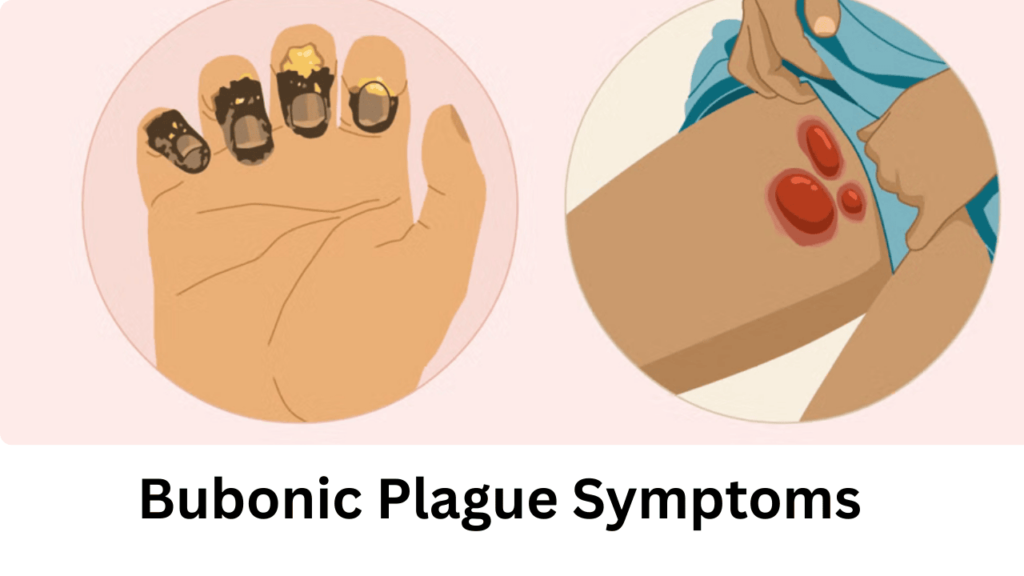
Though most people may be swayed to think that the symptoms of the bubonic plague are something people do not worry about today, it is opportune that people understand the warning signs of the plaque. Most individuals in the case of bubonic plague survive with timely diagnosis and treatment making the likelihood of dying stand at 10 per cent. Nevertheless, in case of lack of treatment, symptoms of the plague may rapidly progress, causing the death rate to reach up to 30% to 90%. This is why in this article, we will examine the main symptoms of the bubonic plague and other types of this disease, which can help a person to realize that they should not ignore their symptoms.
Understanding the Three Forms of Plague
There are three clinical forms of plague, and each of them is defined by the location of the bacteria Yersinia pestis invasion in the organism. Knowing these differences can establish how the disease will progress and the difference in symptoms that vary significantly between types.
Bubonic vs Septicemic vs Pneumonic: Key Differences
Bubonic plague is most familiar and is most common, chiefly as a result of flea bites. A small portion of the bacteria will be incubated to make a 2-8 day growth where the bacteria multiply in the lymph nodes surrounding the entry point. The exclusive feature of this form is the appearance of painful, enlarged glands, so-called buboes, in the groin, armpits, or neck. Worthy of mention, the bubonic plague has a 50-60 mortality when not managed by antibiotics but with early signs of antibiotics the survival rate is about 95%.
Septicemic plague is the condition when plague bacteria replicate themselves in blood. It may arise out of un-cured bubonic plague or be the initial symptom by itself without the swellings of buboes. Septicemic plague usually begins with general symptoms and then acute complications such as bleeding, shock and tissue loss (gangrene). The death rate in septicemic plague is about 22 per cent with therapeutic measures, as compared with the untreated bubonic plague.
The most dangerous form (pneumonic plague), although least common, attacks the lungs. It either develops upon inhalation of an infectious droplets (primary pneumonic plague) or when the bacteria spreads to the lungs through the lymph nodes (secondary pneumonic plague). Unlike in other types, pneumonic plague can also transmit directly between persons in the form of air-borne droplets. Pneumonic plague is almost inevitably lethal in the absence of treatment within 24 hours of the onset of the symptoms. There is also significant mortality despite proper treatment of about 50%.
How Yersinia pestis Affects Different Body Systems
Yersinia pestis bacteria has advanced strategies to avoid immune attack and creates the infection. When the flea bites a human, Y. pestis gets into the human body through the skin and that soon reaches the lymph nodes located near to the point of entry to the body via the lymphatic system. The bacteria stay there undetected by the immune system, and reproduce in the macrophages, eventually creating the classical buboes.
Y. pestis has the amazing capacity to subvert the defense of the host. The bacteria produce toxins, which kill cells, a plasmin activator to degrade blood clots to enhance spread, and a type III secretion system to kill immune cells. That is why without being treated, the infection develops so fast.
When the disease progresses, the bacteria may invade the bloodstream resulting in a condition known as septicemic plague as a result of the body being widely infected. This bacterial invasion causes severe inflammatory reactions which result to tissue destruction, the disruption of organs and even the septic shock. Once in the lungs, bacteria trigger a fierce inflammation and harm in the structure of the lungs, leading to the highly infectious pneumonic form.
The transition between the forms of plague is logically sequential: without treatment, untreated bubonic plague usually changes into the septicemic one due to bacteria entering the blood circulation, and next, untreated plague is likely to become secondary pneumonic to spread the bacteria to the lungs. Every stage denotes a more severe form of that infection, and a poorer prognosis unless treated quickly with proper antibiotics.
Bubonic Plague Symptoms: What to Watch For
Bubonic plague symptoms show up between 2 and 8 days after a person has been exposed to the bacteria. Victims initially go through the catalogue of flu-like symptoms which tend to come with shocking abruptness as the body reacts to the infection.
Sudden High Fever and Chills
Bubonic plague usually gets its announcement with a sudden rise in body temperature that can rise as high as 106 oF (41 oC). It comes hand in hand with extreme chills which might be so intense to bring about visible shivering. Also most patients complain of severe headaches which add to their other woes. The fever is not just temporary it also stays at normal high throughout the initial phase of infection; just one of the many warning signals that say something is wrong.
Painful Swollen Lymph Nodes (Buboes)
- The defining feature of bubonic plague- indeed, the symptom by which it got its name- is the appearance of the buboes. These include serious swelling of lymph nodes which usually appear within 24 hours of onset of fever. Buboes most often develop in three sites; the groin (this is the most frequent), armpits and the neck. Such swellings are not discreet ones; they get very sore, very sore indeed, and undeniably painful.
- The buboes them selves are characterized by a number of tell-tale signs:
- They are hard to the touch
- The fabric covering them retains the redness of skin showing that it is warm.
- They bring so much pain that patients are also left with no choice other than not to move entirely
- As it advances, buboes can secrete pus or may burst.
Muscle Aches and General Weakness
The systemic effects of the disease in addition to fever and buboes include profound effects in victims. Muscle aches and body pains are usually experienced all over the body with the focus being on the abdomen, arms and legs. Weakness gets generalised to the extent that even ordinary tasks drain the energy. The most common terms used to describe the feeling experienced by these patients is a sense of malaise, a feeling that is more than one feels when they are indeed ill.
This fatigue is not the simple lack of strength; it is a manifestation of the powers of the body transformed into the fight with the virulent infection. As the disease progresses, weakness may be followed by more serious manifestations of reduced mobility such as restlessness, delirium, confusion and poor coordination. These neurologic issues are indicators of how the infection was becoming more general in nature.
Localized Pain Before Swelling Appears
A notable early indication of a possible pre-bubonic plague–one which could be useful to serve as an early indication of the disease before the buboes become distinct–is that of localized pain in lymphatic centers. This severe pain comes before swelling is visible especially in these parts of the body; groin, armpit or neck.
Patients themselves describe this pain as excruciating to the point where sometimes patients can first notice the pain as early as the bacteria have entered the lymphatic system but before enough inflammation has set in such that they still do not develop the outer visible signs of buboes. Early diagnosis of this symptom can be especially vital, as it creates a possible time window in which it can be cured within the initial stages of infection.
Other atypical symptoms are skin sores, or a noticeable black scab developing at the point where they were bitten by a flea. The other symptoms that some patients show include gastrointestinal distresses, nausea, vomiting and stomach pain that may be easily confused with other diseases.
Unless these symptoms are treated with immediate antibiotics, their progress escalates as fast as the bacteria reproduce and possibly transfer outside of lymphatic system that causes more life-threatening types of plague.
Septicemic Plague Symptoms: Bloodstream Infection Signs
Septicemic plague is a very formidable evolution in which Yersinia pestis bacteria multiply directly in the bloodstream causing a series of intense and often fatal toting up in case it is not treated in time. The condition may evolve following incomplete treatment of the bubonic plague or it may arise de novo without blisters and is thus extremely difficult to detect at an early stage.
Unexplained Bleeding from Mouth or Skin
When the plague bacteria enter into the blood stream they induce serious blood clotting in the body. Patients then tend to bleed in multiple sites without any explanations. This can appear in the form of oral, nasal and rectal bleeding. In addition to this bleeding under the skin supplies a typical red or black blotchy rash.
Such bleeding is due to fact that septicemic plague is capable of causing disseminated intravascular coagulation (DIC), a dangerous illness in which the body clotting reserves get exhausted. Consequently, the body loses the ability to clot the blood normally and excessive bleeding into the tissues and body organs results.
Blackened Fingers, Toes, or Nose (Gangrene)
The most aesthetically pronounced presenting symptom of septicemic plague would be tissue death (gangrene), typically of extremities. Destructive activity of bacteria in blood vessels results in tissues death and blackening, therefore, the so-called medieval name of it is the black death. This gangrene normally manifests on fingers, toes and the nose.
Blackening is initiated when bacteria ruptures the tissues and blood vessels thus interrupting blood flow to the extremities. These tissues quickly die of lack of oxygen and nutrients. This gangrene is an indication of late stage disease and needs systemic treatment.
Severe Abdominal Pain and Vomiting
Gastrointestinal problems are exceptionally frequent in septicemic plague, but have been underrecognized in clinical writing. It is known that about 57 percent of plaque patients have gastrointestinal disorders. The most frequent symptoms among them is vomiting (39 %), nausea (34 %) and diarrhea (28 %) and lastly, abdominal pain (17 %).
Abdominal pain may be acute and even the strongest initial indication. At the same time, vomiting could itself become bloody (hematemesis) during the development of the infection. These symptoms speak volumes of the comprehensive effect of the bacteria to the body as opposed to localized infection only.
Signs of Shock: Low Blood Pressure and Seizures
The dominance of septicemia plague is characterized by development of septic shock symptoms in the patients, which is a destructive condition that entails intensive care support. Some of the major indicators are dangerously low blood pressure, confusion, and seizures, which normally show up at the later stages of the infection.
Other signs and symptoms of advancing septicemic plague are:
A raging debility and prostration
Fervid and violent shivers shrugged shoulders
Irregularities of the heart
Organ failure formless
The Plague (pneumonic): In absence of urgent antibiotic therapy, flu like illness has a 40 percent chance of lethality even with medical attention. This renders quick diagnosis extremely important despite the lack of the telltale signs of the disease known as buboes that define the bubonic presentation.
Considering these drastic symptoms, anyone with unusual bleeding, overwhelming fatigue, high temperature and symptoms related to the abdomen after a suspicion of exposure to places where plague is high should attend medical services at once.
Pneumonic Plague Symptoms: Lung Involvement and Rapid Decline
Pneumonic plague is the most deadly of plague infestation and its onset is known to attack the lungs with high viciousness. In contrast to similar diseases, this respiratory type of the plague may be transmitted directly via air to another individual through the transfer of airborne droplets, and is therefore of particularly high fear in terms of outbreaks.
Persistent Cough with Bloody Mucus
Respiratory symptoms are the main symptoms of plague and occur 1-4 days after the exposure to Yersinia pestis bacteria. The patients initially have a painful and hacking cough that acutely progresses. The cough initially has little mucus but soon progresses to become increased.
The physical manifestations that are most distinctive in a 24-hour time frame are patients who are coughing blood-tinged sputum. As the illness worsens, this sputum takes on an entirely different look and becomes evenly pink or light red (some even compare it to raspberry syrup). However, it is worth mentioning that the condition might have non-blood-tinged sputum.
Chest Pain and Breathing Difficulty
In addition to coughing, patients complain of chest pains and the inability to breathe easily. As respirations increase tremendously and may even be above 30 times per minute. Shortness of breath grows in severity as the infection worsens and takes hold of the entire lung.
Chest x-rays usually have a distinctive pattern: they initially show lobar pneumonia, progress to dense consolidation and finally become diffuse. Such a fast decline is the reason why patients rapidly progress into respiratory distress, generally, by the second day of sickness.
Frothy Sputum and Respiratory Failure
At higher stages the sputum is quite frothy besides being bloody in appearance. This is a vital indication, and it means extreme lung damage and looming respiratory losses.
The condition is progressive and very fast-acting; deceased patients can experience total respiratory failure in only 2 4 days of the first manifestation. Lack of urgent treatment, pneumonic plague patients can develop:
Cardiopulmonary in the lack of sufficiency
circulatory collapse
• Shock
• Seizures
The therapeutic time frame is extremely small Medical treatment should start in 24 hours of the onset of the sickness. Otherwise pneumonic plague is nearly totally lethal. With sufficient, well timed proper care, the death rate is about 50%.
Pneumonic plague is a bona fide medical crisis warrantly aggressive antibiotics at the first suspicion of the disease with immediate isolation.
When to Seek Immediate Medical Attention
Being fully aware of the time one requires medical care in case of plague can be the deciding factor between life and death. Immediate care highly increases survival rate of any type of this killer disease.
Symptoms After Flea Bites or Animal Contact
Any person who gets fever, headache, weakness, and/or chills 2-8 days following a flea bite should consider it as an emergency situation and consult a physician. Namely, contact a physician in case you get sick within seven days of being in a place plagued by the disease. Keep in mind that the symptoms of bubonic plague take place around 2 to 6 days after direct contact with a flea who is carrying the disease. Bubonic plague is highly dangerous because it often progresses to deadly septicemic or pneumonic manifestation, and it is, therefore, essential to intervene in time.
Living or Traveling in Endemic Areas
Individuals or travelers in western United States -mostly the northern states of New Mexico, Arizona, colorado, California, Oregon, and Nevada- need to be more alert. Various other hotspots of the plaque include Madagascar, Democratic Republic of Congo, and Peru, throughout the world. Camping, hunting or walking in areas with plague carrying rodents may significantly increase the risk of infections. Immediately after acquiring sudden high fever, contact with your healthcare provider after exposure to such areas.
Exposure to Sick Pets or Wild Rodents
Individuals or travelers in western United States -mostly the northern states of New Mexico, Arizona, colorado, California, Oregon, and Nevada- need to be more alert. Various other hotspots of the plaque include Madagascar, Democratic Republic of Congo, and Peru, throughout the world. Camping, hunting or walking in areas with plague carrying rodents may significantly increase the risk of infections. Immediately after acquiring sudden high fever, contact with your healthcare provider after exposure to such areas.
Conclusion
Bubonic plague surely stays a rare but potentially fatal illness in the contemporary world. Cases are dramatically reduced since the dreadful Black Death that happened in the 14 th century, but the knowledge of the symptoms, which the three forms of plague have, is essential in securing protection. The presentation of the bubonic plague is identifiable by the classic sign of buboes, so along with the fever and lack of energy these provide an indication. In the meantime, septicemic plague exhibits bleeding, tissue death and shock symptoms. The most threatening one is pneumonic plague that completely ruins the respiratory system in an unusually fast and effective way.
Time is important determinant of plague survival. Bubonic plague can reduce mortality rates in half with timely administration of antibiotics: where the death rate lowers to only 10 percent. Thus, an early alert to symptoms significantly elevates the outcome. Any predisposed patient with sudden high temperature, severe tenderness on lymph nodes and difficult breathing should be rushed to the hospital after exposure.
People who live in or travel to endemic areas such as the western United States, Madagascar or Peru should take particular note of awareness. Also at higher risk are persons who may have been exposed to wildlife or other outdoor activities in these regions. Pets owners should be keen on their pets health especially cats that are capable of spreading the disease easily.
Today, plague is not the end-of-the-world illness it was known to be in the past, modern medicine managed to shape it into a disease that, with an early detection, can be treated. Still, this pathogen should be respected on the basis of its potency. Our life can stop all further outbreaks with the help of education and attention because people can avoid these situations by studying them and realizing their dangers. To read more on free articles on infectious diseases and the symptoms please visit our site. In the end, however, the weapon of knowledge is our greatest bulwark against this venerable but still very persistent bacterial threat.
FAQs
Q1. What is the initial signs of bubonic plague?
Common symptoms before death are an unexpected high temperature, shivering, cramps, and exhaustion. The characteristic effects of the disease occur within one day in the form of painful swelled lymph nodes (buboes) most frequently located in the groin (but also in the armpits or neck, in general).
Q2. How do plague symptoms advance to be deadly within a short period of time?
Due to the lack of treatment, plague can develop quickly. The most severe form that is pneumonic plague can result in death within 2-4 days of the first symptom in case it is not treated within 24 hours.
Q3. Which are the varieties of plague and what are the differences between them?
The three commonly occurring forms include bubonic (involvement of the lymph nodes), septicemic (blood-borne), and pneumonic (infected lung). Both types possess different symptoms and they vary in hypervirulent and contagiousness.
Q4. When must one consider going to the doctor in regard to potential plague?
You must seek immediate medical care if you become febrile, chills, and or weakness developed within a week of exposure to a plague-endemic area, flea bite or after handling ill or dead animals.
Q5. What is the effectiveness of modern treatment of plague?
The high mortality (up to 60 percent) of bubonic plague also decreases quickly with timely application of antibiotics to 10%. Nevertheless, there is still high mortality among pneumonic plague even when it is treated as the mortality rate stands at about 50%.
Please check out recent post

Keto Diet Facts vs Myths: Benefits, Risks & Beginner Guide
Discover the truth about keto diet facts , benefits and disadvantages. Learn facts vs myths,…

Nightmare Bacteria Cases Rise in the US: A Guide to Superbugs
Learn why cases of antibiotic-resistant “nightmare bacteria” are increasing in the US, what causes CRE…

How to Treat Measles at Home: Ultimate Guide
The use of measles therapies has become more essential because the highly contagious virus may…

12 Hidden Signs of Low Vitamin D3 Your Body is Showing in 2025
Creepy signs of low vitamin D3 could be lurking right beneath your nose, making an…
![Kissing bugs are mentioned in 32 states of America and this creates an emerging health risk that has not been widely known by many Americans. Although having a seemingly innocent name, these blood sucking insects are carriers of a life-threatening parasite. Indeed, according to estimates drawn by experts, more than 300,000 individuals in the United States carry the parasite that is a cause of Chagas disease, and less than 2% are aware of it. Are kissing bugs dangerous? The response is an absolute yes. Also referred to as triatomines, these insects have the capacity of spreading Trypanosoma cruzi, the parasite that causes Chagas disease or kissing bug disease. Significantly, autochthonous (locally acquired) human cases have been documented in 8 states with the most impressive number of infections reported in Texas. Moreover, studies indicate that out of 100 kissing bugs tested around 50 percent were infected with the Chagas parasite, which implies that the insects can even kill you, assuming the infection remains untreated. In this article, we will discuss Chagas disease, and the symptoms you should be on the lookout of, the nature of kissing bugs, and how they cause the disease. We will also share the current scientific knowledge regarding their growing number in the United States and how you and your family can prevent these harmful insects. What Are Kissing Bugs and Why Are They Dangerous? Triatomine bugs also called kissing bugs are blood sucking insects measuring about half-an inch to an inch. They got this weird name due to the fact that they tend to bite people on face. These are the insects that usually rest in cracks and crevices during the days and appear at night to feed on the blood of humans and animals. Triatomine Species Found in the U.S. There are eleven species of triatomine bugs that have been reported within the United States. They are found in 32 states but are mostly found in the southern half of the country. Triatoma sanguisuga and Triatoma protracta are the most widespread species and Triatoma gersteckeri is found in domestic environments the most in Texas. Also, four species (T. sanguisuga, T. gerstaeckeri, T. protracta and T. rubida) are common in human homes, which means that they have a higher risk of transmission. How Kissing Bugs Transmit Trypanosoma cruzi In contrast to most disease vectors, kissing bugs do not spread parasites by saliva or bite. Rather, their parasite (Trypanosoma cruzi) occupies their digestive tract and is excreted in their feces. These insects usually defecate around the place of feeding. By scratching the area a person may accidentally rub the parasite-contaminated feces into the bite wound, eyes, or the mouth, exposing the parasite to the bloodstream. Other routes of transmission may also take place, such as: During the pregnancy period, the child inherits the mother. The following ways are through blood transfusions or organ transplants. • Through eating or drinking food or liquids that have come in contact with bug feces. Are Kissing Bugs Dangerous to Humans and Pets? Indeed--these insects are very harmful to health. Research indicates that about 50 percent of kissing bugs are vectors of T. cruzi parasite. After getting infected, approximately one-third of individuals progress to the chronic stage of Chagas disease that may cause significant heart issues and gastrointestinal problems several or even several decades after infection. The risk is as well alarming when it comes to pets, particularly dogs. Infection in the canines has been reported in 23 states. The highest rate of infections is 10 to more than 50 percent in several places in Texas, which is most heavily researched on the issue. Infection of dogs normally occurs by ingestion of the bugs or contamination of feces. In addition, in addition to the transmission of diseases, even bites of kissing bugs can cause severe anaphylaxis- not least, they are the most frequent cause of insect-bite anaphylaxis in the United States. Chagas Disease: Symptoms and Stages of Infection Chagas disease has two stages once an individual contracts the Trypanosoma cruzi parasite that is carried by kissing bugs. These phases are understood to enable the condition to be identified early, avoiding life threatening complications. Acute Phase: Romaña's Sign and Flu-like Symptoms The acute phase starts as soon after infection and continues about 8 weeks. A great number of infected people have slight symptoms or are totally asymptomatic. In the case of symptomatic development, they are commonly characterized by fever, fatigue, aches throughout the body, headache, rash, loss of appetite, diarrhea, and vomiting. Apart from this, acute Chagas disease is perhaps most frequently marked by the Romaña sign, which is the unilateral swelling of the periorbits, palpebral edema, and conjunctivitis. This mainly happens when the parasite invades the conjunctiva, which mostly happens after an individual rubs bug feces contaminated with the parasite in his or her eye. Since it became common, the Romana sign is now becoming more of a rarity because of better control of vectors. Chronic Phase: Heart and Digestive Complications After the acute stage, infected persons develop the chronic stage which takes decades or even lifetime. The vast majority (70-80% ) are in the form of indeterminacy, and show no symptoms. Nonetheless, about 20-30 percent of them will ultimately get severe clinical manifestations. Chagas cardiomyopathy is the most widely occurring complication. This may be in the form of irregular heartbeat, failure of the heart or sudden cardiac arrest. More rarely, patients have digestive problems, including an enlarged esophagus (megaesophagus) or colon (megacolon), which makes swallowing or constipating hard. Can Kissing Bugs Kill You? Understanding the Risks It is a pity that, kissing bug is a deadly disease. Some 14,000 deaths are caused by chagas disease per year. Untreated Chagas disease as one expert describes it kills the heart very slowly. There are few treatment options at the moment. Anti-parasitic drugs are effective at the acute stage but have lost their effect when an individual goes into the chronic stage. Heart transplant might be required when a patient develops end-stage heart failure. As the symptoms do not manifest themselves in most cases until decades after the infection, a large number of people are not aware of their condition until severe complications can develop. This slow onset contributes to the fact that Chagas disease is especially dangerous- silent development that leads to potentially deadly consequences. New Research: Kissing Bugs Found in 28 U.S. States Recent research has documented kissing bugs across at least 28 U.S. states, with Texas A&M University's Kissing Bug Community Science program receiving reports of approximately 10,000 bugs from 31 states over the past decade. Among these insects tested from 27 different states, researchers found an average infection rate of 55 percent. States with Confirmed Autochthonous Human Cases Cases of Chagas disease that have been acquired locally have been established in eight states; California, Arizona, Texas, Tennessee, Louisiana, Missouri, Mississippi, and Arkansas. Texas has the most detailed records following its decision to report Chagas disease as a result of making it reportable in 2013. It was reported that there were 50 probable and confirmed cases of autochthonous in Texas between 2013-2023. These cases were only three diagnosed at the acute stage and 44 in the chronic asymptomatic phase. Infection Rates in Wildlife and Companion Animals The infection of T. cruzi in wildlife is very common in the southern United States. Rates are higher than 50 percent within some mammal populations; the main reservoir hosts include raccoons, opossums, skunks, and armadillos. As far as companion animals are concerned, dogs seem to be especially vulnerable. A survey of 41 states has found 7.5% of working canines had serological evidence of infection. In Texas, the reality is even worse- in one year, dogs kept in a kennel have a 30.7 percent risk of being infected. Why the U.S. May Be Hypoendemic for Chagas Disease Now scientists suggest the classification of the U.S. as hypoendemic in terms of Chagas disease. This classification (borrowed malaria classification) shows prevalence of the disease at below 10 percent of the population. The CDC recognizes that being classified as non-endemic has helped to ensure that awareness of the physicians has remained low, leading to inappropriate diagnosis and, probably, significant underreporting. As a result, majority of the infected persons are not diagnosed until they experience serious complications. How to Protect Yourself from Kissing Bug Disease It takes a complex approach to protect your family against the killer of bugs: The environment you live and your habits. Health officials argue that the most effective measure taken to counter the kissing bug disease is to ensure that one does not have a lot of contact with these parasite insects by implementing preventative strategies. Home Protection: Sealing Cracks and Removing Debris Keeping your home not so accessible to these nocturnal invaders is the first step in defense against kissing bugs: • Seal windows, doors, walls and roofs with rubber weather stripping, caulking sealant or silicone sealant. • Eliminate wood, brush, and rock piles around your home because they are habitats of kissing bugs and hosts. • Install and keep screens on all doors and windows and ensure that any hole or tear is repaired immediately. • Position outdoor lighting far behind the house or use the less attractive to insects bug light bulbs[213]. • Keep pets inside the house, particularly at night, and keep a check on their bedding. Travel Precautions in Endemic Regions When traveling to places with more kissing bugs, that is, in Latin America: Keep only in well-built rooms with air conditioning or with screened windows Sleep with bed nets impregnated with insecticides and tuck the edges together to form a physical barrier Wear all-encompassing garments that cover exposed skin and apply insecticidal repellent on exposed parts. Food Safety and Avoiding Oral Transmission In addition to physical contact, kissing bugs may transmit the disease by contaminated food: First, do not drink salads, raw vegetables, inedible fruit, or unpasteurized juices in endemic areas[181] During preparation, keep yourself and all utensils clean, where cane juice and fruit juices are mostly used in the countryside. Conclusion Kissing bugs are a major but less known health hazard in America. As it has been observed, these insects are now found in no fewer than 28 states, and about half of them harbor the harmful Trypanosoma cruzi parasite. Majority of evidence indicates that more than 300,000 Americans are already infected with Chagas disease yet less than 2 percent are aware of their infection status. This disease is dangerous especially due to its silent development. And as a matter of fact, the symptoms can take decades before it is detected when it is already too late since serious heart complications are already developed. Contrary to this expectation, treatment options can only be effective in the acute phase, which most patients miss, because of light or absent initial symptoms. Domestic animals and wildlife also stand under a great threat. Particularly dogs are exposed, and infection rates have reached an alarming level in such states as Texas. As such, care should be taken in order to safeguard human and animal members of the family. Exposure can be greatly minimized by taking preventative action at this stage. Good barriers against these insects can be created through sealing of the entry points in homes, elimination of the habitats of the bugs, and proper screens. In the same way, travellers to high risk regions are supposed to take extra precautions by making proper accommodation arrangements and defence. The fact that the United States is regarded as being in a hypoendemic state regarding Chagas disease is an alarming fact- this is a threat that has been continually underestimated. Hitherto, there has been a lack of physician awareness which has impeded the process of diagnosis. Therefore, there is a growing need to educate the people on kissing bugs and their health hazards since the number of infested zones is increasing in America. This is an emerging public health issue and we need to address it and take relevant measures to defend ourselves and the family. We can greatly lessen the effects of these harmful insects, and the disease they may cause that can be deadly, through awareness and prevention strategies and by treating as early as possible. Key Takeaways Recent studies show that kissing bugs are rapidly spreading in America and have become a silent health epidemic that needs to be addressed and prevented as soon as possible. • 28+ states in the US have kissing bugs, and half of them harbor the fatal Trypanosoma cruzi parasite that causes Chagas disease • More than 300,000 Americans already have Chagas disease, but due to decades of silent disease progression, they often do not know it, and may develop lethal heart complications later in life due to such a diagnosis being made only after it becomes fatal or fatal complications develop later in life of the illness is detected only at terminal stages, and any treatment of the disease at that point results in fatal heart problems This kissing nickname is a disguise to hide a serious danger, these insects defecate on places of bites and scratching produces parasites into your body. There is a lack of effective treatment when the chronic infection sets in, but your best defense against this growing health problem is prevention. FAQs Q1. Where has Chagas disease been acquired locally in the U.S.? Chagas disease has been confirmed locally in eight states; California, Arizona, Texas, Tennessee, Louisiana, Missouri, Mississippi and Arkansas. Since the disease became reportable in 2013, Texas has had the largest number of reported cases. Q2. What is the mechanism of the kissing bugs in transmitting the Chagas disease? The organism known as Trypanosoma cruzi is transmitted not by bite, but through feces, by kissing bugs. Once fed, they tend to defecate in the area of the bite. Each time one scratches the region, he/she can accidentally rub the parasite-contaminated feces into the cut, eyes or into the mouth, and the parasite may enter the bloodstream. Q3. What is the chagas disease symptoms? Chagas disease is in two stages. During the acute stage, certain such symptoms can dissipate and comprise fever, body aches, fatigue and the Romana sign (eye swelling). The chronic stage may take decades, and 20-30% of the people infected may acquire severe complications such as irregular heartbeat, heart failure or gastrointestinal complications. Q4. What should I do to keep kissing bugs out of my home? In order to secure your home, close every crack and that of windows, doors, walls, and roofs. Eliminate wood, brush and rock piles around your house. Install and keep screens on doorways and window. Avoid having outdoor lights near the house or buy bulbs called bug lights. Keep pets in house and clean up their beds. Q5. Do pets cause chagas disease? Yes, pets, particularly dogs are susceptible to Chagas disease. Dogs in Texas have a high risk of infection (30.7) within one year in a kennel. Infection has been reported in 23 states in dogs with infection rates of 10% to 50+ in parts of Texas.](https://essentcare.com/wp-content/uploads/2025/09/Kissing-Bugs-Found-in-28-US-States-New-Research-Reveals-Growing-Risk-1024x576.jpg)
Kissing Bugs Disease Found in 28 US States: New Research Reveals Growing Risk
Kissing bugs Disease are mentioned in 32 states of America and this creates an emerging…
![Whole Milk vs 2 Percent: What Science Really Says About Fat Content [2025]](https://essentcare.com/wp-content/uploads/2025/09/Whole-Milk-vs-2-Percent-What-Science-Really-Says-About-Fat-Content-2025-1024x576.png)
Whole Milk vs 2 Percent: What Science Really Says About Fat Content [2025]
In the grocery store, where the question is choosing between whole milk and 2 percent…