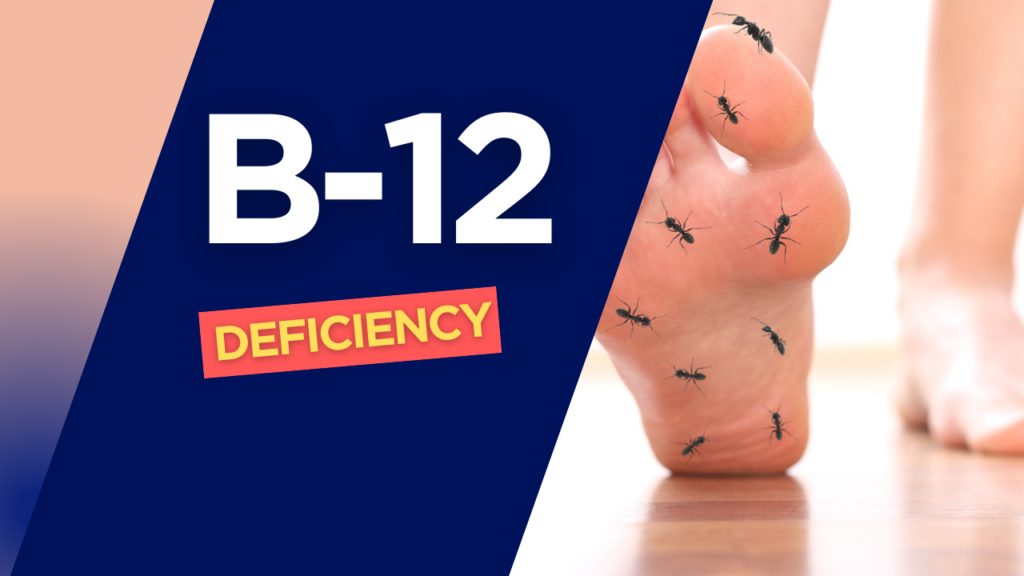
Treatments of vitamin B12 deficiency are vital to learn because it is estimated that about 1.5 percent to 15 percent of the population has this condition. Being a doctor who has combined a lot of experience in treating these cases, I have realized that this lack can show signs of false lethality where symptoms are not quite evident until leading to severe health issues.
The symptoms of vitamin B12 deficiency occur more as age advances with at least 3.1-3.6 percent of the individuals in 20 to 39, 4-4.6 percent in 40-59 and 6 percent in 60 years and above. Nevertheless, the most alarming implications of this condition are that it affects the cognitive performance. If B12 deficiency is not treated it may cause serious neurological complications such as the inability to walk or speak, blindness with memory disorders. Moreover, a terrible lack can even lead to a serious depression, paranoia, delusions, and losing a sense of taste and smell.
So, in this guide we are going to delve into the silent symptoms of vitamin B12 deficiency, its different causes and crucially, the best possible treatment alternatives that can be used to help in the treatment of this not so rare but extremely neglected condition.
Understanding Vitamin B12 and Its Role
Vitamin B12 stands out as the only essential nutrient that our bodies need and not in terms of structure only but also magnitude. First found as the antidote to pernicious anemia in the 1920s, this water-soluble vitamin would later be classified as a crucial part of many processes in the body.
What is vitamin B12?
Cobalamin or vitamin B12 is the largest and structurally complex vitamin. B12 (as opposed to other nutrients) also incorporates the metal cobalt, the source of the name given to compounds of B12 (cobalamin). It has been found in a variety of forms though most are non-metabolically active- methylcobalamin and 5-deoxyadenosylcobalamin are the primary ones seen in the body, with hydroxycobalamin and cyanocobalamin (the forms used in supplements) being inactive until they are converted after being used in the body.
Probably the most interesting thing about vitamin B12 is the fact that nothing other than microorganisms such as bacteria have been found to produce the nutrient naturally. These bacteria are usually found in water or soil and animal intestinal systems. B12 was therefore naturally present in animal foods that include meat, poultry, fish, eggs, and dairy. Unless fortified, plant foods do not have a vitamin B12 component of foods.
The National Institutes of Health points out that adults need 2.4 micrograms (mcg) of vitamin B12 on a daily basis. The need of the same is more during pregnancy at 2.6 mcg and during breastfeeding at 2.8 mcg.
Why your body needs it
Vitamin B12 can be used as a vital cofactor in several enzymes and chemical reactions in your body. Most importantly, it is vital in having healthy nerve cells and normal brain functioning. Lack of B12 can cause the breakdown of the myelin sheath that surrounds nerves giving rise to neurological complications.
In addition, B12 is essential to the formation of red blood cells. It acts together with vitamin B9 (folate) in the formation of healthy red blood cells and to prevent megaloblastic anemia, a disorder that features one large and abnormal, and young red cells. That is why one of the first signs of lack might be fatigue.
Along with these key functions, vitamin B12:
Stimulates the DNA synthesis and control
It helps to generate cellular energy
• Partners up with vitamins B6 and B9 to regulate the amount of homocysteine (which may cause heart disease at high levels) in the blood
• Possibly guard against macular degeneration of the eyes
How B12 is absorbed
Vitamin B12 is quite a unique and complex absorption mechanism- unlike other nutrients. Foremost, it involves sequences of routine and employs many things to render it productive.
When it comes to B12 that is found in foods, the process begins with the breakdown of the foods in one compartment and also the Proteins since that is where B 12 is attached. This makeup of protein-B12 goes into your stomach whereby hydrochloric acid and enzymes are introduced to eliminate the vitamin of this complex combining with the proteins. The importance of this step of separation lies in the fact that B12 will be entangled without sufficient amount of stomach acid.
When the B12 is released, it cross-linked with a transport protein termed the R-protein (also haptocorrin or transcobalamin I). Subsequently, this complex is carried to the little intestine and within here B12 can combine with a distinctive glycoprotein made by parietal cells of the stomach termed intrinsic factor owing to the existence of pancreatic enzymes which break down the R-protein contained in it.
This complex B12 ingredient is subsequently sent along its path to the ileum (or final portion of your tiny gastro-intestinal cavity). There, the receptors recognize the complex and absorbs them. When the absorption has taken place, the B12 can be bound to another protein called, transcobalamin II, which is transported by your blood stream into your body cells.
As opposed to food bound B12, supplements provide the vitamin in the free form and they do not go through the early procedure of isolating the protein. Nevertheless, they also require having intrinsic factor to be absorbed optimally.
8 Hidden Signs of Vitamin B12 Deficiency
Symptoms of vitamin B12 deficiency can be easily missed because they are not immediately evident and thus they can be confused with other illnesses. These silent signs may manifest whose time may come many years before the presence of abnormal blood tests prompting the need to raise awareness of the same.
1. Numbness or tingling in hands and feet
Another disturbing diminution is paresthesia, a burning or pins-and-needles tingle, which is experienced by most minimalized adults with B12 lack, specifically in the perimeter. This is because vitamin B12 plays the vital role of facilitating the production of myelin; the protective sheath of nerves. On reducing B12 levels, transmission of the signals in the nervous tissue is interrupted with negative results such as the generation of these unwelcome sensations which are a result of myelin harms. Electromyography (EMG) examinations on patients with tingling sensations and paresthesia may involve abnormal results.
2. Difficulty walking or balance issues
Limited B12 can have a severe influence on the mobility and coordination of yours. The deficiency injures central nervous system, in particular, the regions that deal with balance and gate. Therefore, staggering, ataxia (clumsiness), and general inability to maintain the proper balance can be encountered. When the conditions in question are severe, they may get permanent when untreated.
3. Mood changes like depression or irritability
The relationship between B12 and mental health is big. Lack of vitamin B12 may cause a number of psychological disorders such as depression, anxiety, irritability and even psychosis. In fact, the problem of B12 deficiency cannot be disregarded when assessing patients with mood disorder, which remains insensitive to regular remedies. The shortage affects the production of the neurotransmitters known as serotonin, norepinephrine and dopamine all of which directly play roles in mood regulation.
4. Memory problems or confusion
Confusion, trouble focusing, and memory loss are important cognitive neurological problems that B12 deficiency causes. In particular, higher levels of homocysteine and methylmalonic acid as biomarkers of deficiency of B12 are linked with inadequate myelination and mind deterioration. A study conducted among patients who had low concentrations of B12 and mild cognitive problems revealed that approximately three-quarters of the patients improved in the level of mental functioning following administration of the drug.
5. Pale or yellowish skin
It is common to have changes of the skin indicating hidden deficiency of B12. The most frequent dermatological symptom is hyperpigmentation (darkening) with an occurrence of about 19 percent. Remarkably, such hyperpigmentation is found around the knuckles particularly on the dorsum of the feet and hands. Due to the destruction of the weak red cells, some patients can end up with jaundice (yellow skin).
6. Glossitis and mouth ulcers
The presence of oral symptoms can serve as very good indicators. The most frequent mucocutaneous presentation was glossitis–inflammation leading to smooth, red, painful tongue–present in 31 per cent of patients with B12 deficiency. Besides, the patients might develop angular cheilitis (corners of the mouth crack) and oral ulcers as well as burning mouth syndrome. Changes in taste sensation and generalized soreness of the mouth is reported in many patients.
7. Blurred or disturbed vision
Although these vision problems are relatively minor, and only 1 out of 100 people with B12 deficiency have it, they can be severe. Optic neuropathy optic neuropathy due to the B12 deficiency manifests as a gradual, bilateral, painless, vision loss that is frequently associated with a poor color perception and centred scotoma (blind spot). In optical coherence tomography, layers of retinal nerve fiber tend to thin. Aggressive therapy early in the course of disease presents the best hope of restoring vision.
8. Fatigue that doesn’t go away
Fatigue is one of the first and the most widespread symptoms of B12 deficiency. This mainly happens due to the fact that B12 is fundamental in synthesizing red blood cells and cellular process of energy production. Low-normal levels of B12 can lead to severe signs of fatigue as well. This fatigue is particularly prevalent in the diet-deficient vegetarians and vegans.
What Causes Vitamin B12 Deficiency?
Adequate vitamin B12 needs enough consumption of food, as well as the absorption by your body. A number of factors can disrupt either process resulting in deficiency in individuals who eat what would appear to be normal quantities.
Dietary insufficiency (e.g., vegan diets)
To begin with, poor diet contains a shortcut to B12 deficiency. Vitamin B 12 is naturally present exclusively in animals such as meat and fish, dairy and eggs, therefore, people adhering to strict vegan and vegetarian diets are at higher risks. Quite frankly, the stores of vitamin B12 can go up to 2-5 years without being replenished, this is why the symptoms of deficiency may be seen to come up gradually upon alterations in diet. Vegans should take supplements of B12 or fortified B12 products to satisfy the requirements.
Digestive disorders (e.g., Crohn’s, celiac)
When dietary intake is sufficient, different digestive disorders may cause the inability to absorb the B12 well. The Crohn disease has the capability of inflaming and ulcerating the digestive tract, mostly the small bowel where absorption of B12 takes place. On the same note, celiac disease harms the lining of the small intestine, which hamper absorption of nutrients. Other syndromes such as the small intestinal bacterial overgrowth (SIBO) enable the bacteria to take B12 before your body has time to absorb it.
Pernicious anemia and autoimmune issues
The most typical cause of the B12 deficiency in the UK is pernicious anemia. The condition is a type of autoimmune that happens when your immune system targets cells in the stomach that produce intrinsic factor- a B12 absorption-critical protein. In absence of intrinsic factor your body is not able to absorb vitamin B 12 even though you intake so much. Another autoimmune disease is atrophic gastritis which makes the stomach lining thin and is unable to generate enough hydrochloric acid and intrinsic factor.
Medications that interfere with absorption
Certain medications significantly impact B12 absorption. These include:
- Proton pump inhibitors
like omeprazole (Prilosec) and esomeprazole (Nexium)
- H2-receptor antagonists such as famotidine (Pepcid) and ranitidine (Zantac)
- Metformin, commonly used for diabetes management
- Some anti-seizure medications like phenobarbital and topiramate
- Colchicine for gout treatment
Age-related absorption decline
The aging process has the natural effect of our tendency to absorb vitamin B12 declines. The prevalence of insufficiency in this important nutrient in those more than 60 years old returns up to 20 percent. This is mostly the case because with age, the production of stomach acid is reduced, hence B12 cannot be released to food proteins as it should. Older adults have also increased chances of acquiring conditions that further limit absorption of B12 such as cognitive impairment that can result in poor eating behaviors.
How Doctors Diagnose B12 Deficiency
Identifying an indication of vitamin B12 deficiency is not easy since it involves a systematic strategy other than examining symptoms. Doctors usually begin with a simple blood work, which is later validated by more specific tests that will ensure additional details.
Blood tests and B12 levels
A complete blood count (CBC) and the measurement of serum vitamin B12 are taken as the first steps in anticipation of a diagnosis. Your physician will also identify certain patterns in such findings such as reduced values in hemoglobin and hematocrit levels, as well as an increased mean corpuscular volume (MCV) higher than 100 which is a sign of the presence of oversized red blood cells. Hypersegmented neutrophils could show a situation in which some of the white blood cells appear as having five or more lobes with a peripheral blood smear.
As far as B12 values are considered the normal ranges are 160-950 picograms per milliliter (pg/mL) or 118-701 picomoles per liter (pmol/L). Less than 160 pg/mL should generally be considered as deficiency and it needs treatment. However, levels within the range of 200-300 pg/mL are considered a part of a so-called borderline area and further testing is required.
Methylmalonic acid and homocysteine tests
In the cases of borderline conditions or in situations where a diagnosis is not evident, doctors prescribe additional tests. Methylmalonic acid (MMA) as well as homocysteine build up in the body when it lacks B12 and hence these two are perfect when it comes to confirmation. Such metabolic parameters tend to show deficiency despite the standard tests of B12 coming out normal.
The significance of these tests is that they can aid in discriminating between B12 deficiency and folate deficiency- which have similar homocysteine elevation but only the former elevates MMA.
Identifying underlying causes
When deficiency has been established, it becomes critical in identifying the cause so that treatment can be done accordingly. When there is no clear indication of dietary limitations or prior surgery among the patients, physicians usually look into malabsorption syndrome conditions such as Crohn or celiac disease.
A common type of anemia which is caused by autoimmune disease is pernicious anemia which can be detected based on the level of antibodies against the intrinsic factor in blood, which has a positive predictive value of 95.
When to test even without symptoms
It is becoming the norm to screen some of the high-risk groups proactively. Elders should be of particular concern because they disproportionately suffer with B12 deficiency due to absorption aging. Moreover, people who use drugs such as proton pump medicines, individuals with autoimmune disorders, people who strictly adhere to a vegetarian diet, and gastrointestinal diseases patients should also be screened regularly even when there are no apparent symptoms.
At that, it is important to remember that nowadays blood tests for B12 count the combination of active and inactive B12 that can also display the normal measurements despite the lack of usable B12.
Treatment Options for B12 Deficiency
The best management of vitamin B12 deficiency is based on its cause, severity of manifestation and presence of other factors in a given individual. After making the diagnosis, it is possible to replenish the optimal level of B12 using a number of research-based strategies.
Oral supplements and multivitamins
Most patients, including those with malabsorption problems respond well to oral vitamin B12 supplementation at high doses (1,000-2,000 mcg daily), with equal response as injections. They can be obtained as cyanocobalamin (synthetic, most common), methylcobalamin (naturally occurring, ready-to-use) and hydroxocobalamin (longer-lasting). Methycobalamin can also prove to be better in persons who are lacking glutathione, as it does not need any conversion. Multivitamins usually have 5-25 mcg of B12, but multivitamins that do not focus on the B12 does contain up to 50-1,000 mcg.
Intramuscular B12 injections
Severe deficiency or non-vitamin B12 neurologic syndrome: In this situation intramuscular hydroxocobalamin is usually administered once or twice weekly during the first two weeks, then maintenance dose monthly. It is a circumnavigation healthy pathway around the absorption barriers and quickly fills up B12 stores. In the British Isles, hydroxocobalamin is favoured over cyanocobalamin because it continues longer in the body.
Nasal sprays and gels
Other options involve nasal gel sprays, which are rather efficient at raising levels of B12 in the blood with around 2 percent bioavailability, just like oral supplements. Such alternatives could be useful to the individuals who do not prefer injections but need non-oral administration.
Dietary changes and fortified foods
In the case of dietary deficiencies, people can determine the situation by taking B12 rich foods (meat, dairy, eggs, fish, and fortified cereals) and then supplements may address the problem. To avoid deficiency, vegans must take supplements, or fortified food. Adults usually require 2.4 mcg of vitamin D each day (2.6 mcg during pregnancy and 2.8 mcg when breastfeeding).
Monitoring and follow-up care
Blood test should be carried out after initiation of treatment within the period of 10-14 days to determine the response in the initial time. Further testing 8 weeks later proves that the treatment was successful. The follow up of B12 levels should be done again after 2-3 months in those undergoing oral therapy. Those that often need injections (most patients) do not have a need to monitor the levels of B12 constantly.
Conclusion
We should also speak about the fact of B12 deficiency being the underdiagnosed condition even though millions of individuals are being affected by it. Over the years that I have worked with the disease, I have seen how one can easily neglect the manifestation of the subtle symptoms or misinterpret the nature of what we are dealing with. When left untreated, though, this deficiency can worsen to the point of causing serious neurological damage that can prove irreversible.
The process of B12 absorption is complicated, which explains why many factors, such as diet, age, medications, and other medical conditions, can become the causes of deficiency. Above all, early identification of the symptoms can be intervened with on time. B12 deficiency is without doubt one of the possible causes of puzzling neurological symptoms, mood swings, or continuous tiredness in patients.
There are treatment alternatives regarding the cause and the level of severity. The intramuscular injection has always been considered the gold standard in severe cases whereas the high-dose oral supplement is quite useful to a large number of patients including even those with absorption problems. Moreover, the use of different delivery forms such as nasal sprays can be considered a solution to people who would not be satisfied with injectable options.
Follow up is necessary especially in high-risk populations e.g. those who have reached older age, strict vegetarians, people with gastrointestinal disturbances. The early symptoms may disappear rapidly in case of effective treatment, but one should continue taking good care of levels of B12.
It is important to note that even though vitamin B12 deficiency is rampant, it can easily be managed through the right treatment when identified at its infancy. As such, recognition of the tell-tale signs it possesses might greatly help to avoid future health repercussions. In case you experience any of the symptoms mentioned in this guide, turn to your physician to get suitable testing and individually tailored treatment suggestions.
Key Takeaways
Deficiency of Vitamin B12 occurs in as high as 15 percent of the population and its manifestation of several complications of the nervous system cannot be easily detected which makes prompt diagnosis much essential in avoiding long term complications.
• Be on the lookout of subtle symptoms such as numbness in hands/feet, problem with the balance, constant tiredness, and mood swings- this can go unnoticed and even precede the results obtained on a blood test as being off.
Vegans, older adults and consumers using acid-reducing medicines are at the most risk, as their diets are restricted, aging causes reduced absorption and presents drug interactions.
Oral supplements at high-dosage levels (1,000-2,000 mcg/day) are as effective as injections with the majority of the patients who even have absorption difficulties.
• A timely detection of the deficiency in the level of the B12 in the blood together with methyl malonic acid and homocysteine allows effective treatment before the progression of the disease states causing irreversible damage to the nerves.
• Close monitoring and periodic maintenance therapy is mandated- the adults require 2.4 mcg on average but during pregnancy and breastfeeding period there would be an increased demand.
The secret to an effective treatment of B12 deficiency is to detect early non-obvious symptoms and to realize that it is not an uncommon disorder that undergoes extremely good treatment when it is detected promptly and before the potentially lethal, but avoidable, neurological manifestations can be experienced.
FAQs
Q1. What are the most effective treatments for vitamin B12 deficiency?
The best options are high doses of oral supplement (1,000-2,000 mcg per day), intramuscular injections and sometimes nose sprays or gels. The treatment option will vary according to the extent of the deficiency as well as patient specifics. It can be also helped by dietary changes and through the intake of fortified foods on the part of those who have dietary insufficiency.
Q2. Can vitamin B12 deficiency cause neurological symptoms?
B12 deficiency is capable of causing several neurological manifestations. These can be numbness or tingling hands and feet, trouble walking or losing balance, impaired memory and in severe cases disturbance of vision. Treatment is critical during the initial stages in order to avoid possible undamaged neurological disorders which could be lifelong.
Q3. How is vitamin B12 deficiency diagnosed?
The diagnosis most often includes the tests of blood to determine the level of B12, complete blood count (CBC). In borderline cases, there can be an extension of methylmalonic acid (MMA) and homocysteine-levels-testing. Symptoms and risk factors are also borne in mind by doctors when rendering a diagnosis.
Q4. Who is at higher risk for vitamin B12 deficiency?
A higher risk is seen in those who are strict vegetarians or vegans, in adult patients aged over 60, in those with digestive disorders such as Crohn and celiac disease or who are on medication such as proton pump inhibitors or metformin. Individuals infected with pernicious anemia which is an autoimmune disorder are more vulnerable as well.
Q5. How long does it take to recover from vitamin B12 deficiency?
The time it takes to recover differs with severity of the deficiency and the method of treatment. It is possible then that some people will experience the effects of treatment within days or weeks. Neurological symptoms may never be completely cured though, and sometimes the process may take several months. It usually requires late maintenance treatment at the end.
For more Blogs Please visit our website

Keto Diet Facts vs Myths: Benefits, Risks & Beginner Guide
Discover the truth about keto diet facts , benefits and disadvantages. Learn facts vs myths,…

Nightmare Bacteria Cases Rise in the US: A Guide to Superbugs
Learn why cases of antibiotic-resistant “nightmare bacteria” are increasing in the US, what causes CRE…

How to Treat Measles at Home: Ultimate Guide
The use of measles therapies has become more essential because the highly contagious virus may…

12 Hidden Signs of Low Vitamin D3 Your Body is Showing in 2025
Creepy signs of low vitamin D3 could be lurking right beneath your nose, making an…
![Kissing bugs are mentioned in 32 states of America and this creates an emerging health risk that has not been widely known by many Americans. Although having a seemingly innocent name, these blood sucking insects are carriers of a life-threatening parasite. Indeed, according to estimates drawn by experts, more than 300,000 individuals in the United States carry the parasite that is a cause of Chagas disease, and less than 2% are aware of it. Are kissing bugs dangerous? The response is an absolute yes. Also referred to as triatomines, these insects have the capacity of spreading Trypanosoma cruzi, the parasite that causes Chagas disease or kissing bug disease. Significantly, autochthonous (locally acquired) human cases have been documented in 8 states with the most impressive number of infections reported in Texas. Moreover, studies indicate that out of 100 kissing bugs tested around 50 percent were infected with the Chagas parasite, which implies that the insects can even kill you, assuming the infection remains untreated. In this article, we will discuss Chagas disease, and the symptoms you should be on the lookout of, the nature of kissing bugs, and how they cause the disease. We will also share the current scientific knowledge regarding their growing number in the United States and how you and your family can prevent these harmful insects. What Are Kissing Bugs and Why Are They Dangerous? Triatomine bugs also called kissing bugs are blood sucking insects measuring about half-an inch to an inch. They got this weird name due to the fact that they tend to bite people on face. These are the insects that usually rest in cracks and crevices during the days and appear at night to feed on the blood of humans and animals. Triatomine Species Found in the U.S. There are eleven species of triatomine bugs that have been reported within the United States. They are found in 32 states but are mostly found in the southern half of the country. Triatoma sanguisuga and Triatoma protracta are the most widespread species and Triatoma gersteckeri is found in domestic environments the most in Texas. Also, four species (T. sanguisuga, T. gerstaeckeri, T. protracta and T. rubida) are common in human homes, which means that they have a higher risk of transmission. How Kissing Bugs Transmit Trypanosoma cruzi In contrast to most disease vectors, kissing bugs do not spread parasites by saliva or bite. Rather, their parasite (Trypanosoma cruzi) occupies their digestive tract and is excreted in their feces. These insects usually defecate around the place of feeding. By scratching the area a person may accidentally rub the parasite-contaminated feces into the bite wound, eyes, or the mouth, exposing the parasite to the bloodstream. Other routes of transmission may also take place, such as: During the pregnancy period, the child inherits the mother. The following ways are through blood transfusions or organ transplants. • Through eating or drinking food or liquids that have come in contact with bug feces. Are Kissing Bugs Dangerous to Humans and Pets? Indeed--these insects are very harmful to health. Research indicates that about 50 percent of kissing bugs are vectors of T. cruzi parasite. After getting infected, approximately one-third of individuals progress to the chronic stage of Chagas disease that may cause significant heart issues and gastrointestinal problems several or even several decades after infection. The risk is as well alarming when it comes to pets, particularly dogs. Infection in the canines has been reported in 23 states. The highest rate of infections is 10 to more than 50 percent in several places in Texas, which is most heavily researched on the issue. Infection of dogs normally occurs by ingestion of the bugs or contamination of feces. In addition, in addition to the transmission of diseases, even bites of kissing bugs can cause severe anaphylaxis- not least, they are the most frequent cause of insect-bite anaphylaxis in the United States. Chagas Disease: Symptoms and Stages of Infection Chagas disease has two stages once an individual contracts the Trypanosoma cruzi parasite that is carried by kissing bugs. These phases are understood to enable the condition to be identified early, avoiding life threatening complications. Acute Phase: Romaña's Sign and Flu-like Symptoms The acute phase starts as soon after infection and continues about 8 weeks. A great number of infected people have slight symptoms or are totally asymptomatic. In the case of symptomatic development, they are commonly characterized by fever, fatigue, aches throughout the body, headache, rash, loss of appetite, diarrhea, and vomiting. Apart from this, acute Chagas disease is perhaps most frequently marked by the Romaña sign, which is the unilateral swelling of the periorbits, palpebral edema, and conjunctivitis. This mainly happens when the parasite invades the conjunctiva, which mostly happens after an individual rubs bug feces contaminated with the parasite in his or her eye. Since it became common, the Romana sign is now becoming more of a rarity because of better control of vectors. Chronic Phase: Heart and Digestive Complications After the acute stage, infected persons develop the chronic stage which takes decades or even lifetime. The vast majority (70-80% ) are in the form of indeterminacy, and show no symptoms. Nonetheless, about 20-30 percent of them will ultimately get severe clinical manifestations. Chagas cardiomyopathy is the most widely occurring complication. This may be in the form of irregular heartbeat, failure of the heart or sudden cardiac arrest. More rarely, patients have digestive problems, including an enlarged esophagus (megaesophagus) or colon (megacolon), which makes swallowing or constipating hard. Can Kissing Bugs Kill You? Understanding the Risks It is a pity that, kissing bug is a deadly disease. Some 14,000 deaths are caused by chagas disease per year. Untreated Chagas disease as one expert describes it kills the heart very slowly. There are few treatment options at the moment. Anti-parasitic drugs are effective at the acute stage but have lost their effect when an individual goes into the chronic stage. Heart transplant might be required when a patient develops end-stage heart failure. As the symptoms do not manifest themselves in most cases until decades after the infection, a large number of people are not aware of their condition until severe complications can develop. This slow onset contributes to the fact that Chagas disease is especially dangerous- silent development that leads to potentially deadly consequences. New Research: Kissing Bugs Found in 28 U.S. States Recent research has documented kissing bugs across at least 28 U.S. states, with Texas A&M University's Kissing Bug Community Science program receiving reports of approximately 10,000 bugs from 31 states over the past decade. Among these insects tested from 27 different states, researchers found an average infection rate of 55 percent. States with Confirmed Autochthonous Human Cases Cases of Chagas disease that have been acquired locally have been established in eight states; California, Arizona, Texas, Tennessee, Louisiana, Missouri, Mississippi, and Arkansas. Texas has the most detailed records following its decision to report Chagas disease as a result of making it reportable in 2013. It was reported that there were 50 probable and confirmed cases of autochthonous in Texas between 2013-2023. These cases were only three diagnosed at the acute stage and 44 in the chronic asymptomatic phase. Infection Rates in Wildlife and Companion Animals The infection of T. cruzi in wildlife is very common in the southern United States. Rates are higher than 50 percent within some mammal populations; the main reservoir hosts include raccoons, opossums, skunks, and armadillos. As far as companion animals are concerned, dogs seem to be especially vulnerable. A survey of 41 states has found 7.5% of working canines had serological evidence of infection. In Texas, the reality is even worse- in one year, dogs kept in a kennel have a 30.7 percent risk of being infected. Why the U.S. May Be Hypoendemic for Chagas Disease Now scientists suggest the classification of the U.S. as hypoendemic in terms of Chagas disease. This classification (borrowed malaria classification) shows prevalence of the disease at below 10 percent of the population. The CDC recognizes that being classified as non-endemic has helped to ensure that awareness of the physicians has remained low, leading to inappropriate diagnosis and, probably, significant underreporting. As a result, majority of the infected persons are not diagnosed until they experience serious complications. How to Protect Yourself from Kissing Bug Disease It takes a complex approach to protect your family against the killer of bugs: The environment you live and your habits. Health officials argue that the most effective measure taken to counter the kissing bug disease is to ensure that one does not have a lot of contact with these parasite insects by implementing preventative strategies. Home Protection: Sealing Cracks and Removing Debris Keeping your home not so accessible to these nocturnal invaders is the first step in defense against kissing bugs: • Seal windows, doors, walls and roofs with rubber weather stripping, caulking sealant or silicone sealant. • Eliminate wood, brush, and rock piles around your home because they are habitats of kissing bugs and hosts. • Install and keep screens on all doors and windows and ensure that any hole or tear is repaired immediately. • Position outdoor lighting far behind the house or use the less attractive to insects bug light bulbs[213]. • Keep pets inside the house, particularly at night, and keep a check on their bedding. Travel Precautions in Endemic Regions When traveling to places with more kissing bugs, that is, in Latin America: Keep only in well-built rooms with air conditioning or with screened windows Sleep with bed nets impregnated with insecticides and tuck the edges together to form a physical barrier Wear all-encompassing garments that cover exposed skin and apply insecticidal repellent on exposed parts. Food Safety and Avoiding Oral Transmission In addition to physical contact, kissing bugs may transmit the disease by contaminated food: First, do not drink salads, raw vegetables, inedible fruit, or unpasteurized juices in endemic areas[181] During preparation, keep yourself and all utensils clean, where cane juice and fruit juices are mostly used in the countryside. Conclusion Kissing bugs are a major but less known health hazard in America. As it has been observed, these insects are now found in no fewer than 28 states, and about half of them harbor the harmful Trypanosoma cruzi parasite. Majority of evidence indicates that more than 300,000 Americans are already infected with Chagas disease yet less than 2 percent are aware of their infection status. This disease is dangerous especially due to its silent development. And as a matter of fact, the symptoms can take decades before it is detected when it is already too late since serious heart complications are already developed. Contrary to this expectation, treatment options can only be effective in the acute phase, which most patients miss, because of light or absent initial symptoms. Domestic animals and wildlife also stand under a great threat. Particularly dogs are exposed, and infection rates have reached an alarming level in such states as Texas. As such, care should be taken in order to safeguard human and animal members of the family. Exposure can be greatly minimized by taking preventative action at this stage. Good barriers against these insects can be created through sealing of the entry points in homes, elimination of the habitats of the bugs, and proper screens. In the same way, travellers to high risk regions are supposed to take extra precautions by making proper accommodation arrangements and defence. The fact that the United States is regarded as being in a hypoendemic state regarding Chagas disease is an alarming fact- this is a threat that has been continually underestimated. Hitherto, there has been a lack of physician awareness which has impeded the process of diagnosis. Therefore, there is a growing need to educate the people on kissing bugs and their health hazards since the number of infested zones is increasing in America. This is an emerging public health issue and we need to address it and take relevant measures to defend ourselves and the family. We can greatly lessen the effects of these harmful insects, and the disease they may cause that can be deadly, through awareness and prevention strategies and by treating as early as possible. Key Takeaways Recent studies show that kissing bugs are rapidly spreading in America and have become a silent health epidemic that needs to be addressed and prevented as soon as possible. • 28+ states in the US have kissing bugs, and half of them harbor the fatal Trypanosoma cruzi parasite that causes Chagas disease • More than 300,000 Americans already have Chagas disease, but due to decades of silent disease progression, they often do not know it, and may develop lethal heart complications later in life due to such a diagnosis being made only after it becomes fatal or fatal complications develop later in life of the illness is detected only at terminal stages, and any treatment of the disease at that point results in fatal heart problems This kissing nickname is a disguise to hide a serious danger, these insects defecate on places of bites and scratching produces parasites into your body. There is a lack of effective treatment when the chronic infection sets in, but your best defense against this growing health problem is prevention. FAQs Q1. Where has Chagas disease been acquired locally in the U.S.? Chagas disease has been confirmed locally in eight states; California, Arizona, Texas, Tennessee, Louisiana, Missouri, Mississippi and Arkansas. Since the disease became reportable in 2013, Texas has had the largest number of reported cases. Q2. What is the mechanism of the kissing bugs in transmitting the Chagas disease? The organism known as Trypanosoma cruzi is transmitted not by bite, but through feces, by kissing bugs. Once fed, they tend to defecate in the area of the bite. Each time one scratches the region, he/she can accidentally rub the parasite-contaminated feces into the cut, eyes or into the mouth, and the parasite may enter the bloodstream. Q3. What is the chagas disease symptoms? Chagas disease is in two stages. During the acute stage, certain such symptoms can dissipate and comprise fever, body aches, fatigue and the Romana sign (eye swelling). The chronic stage may take decades, and 20-30% of the people infected may acquire severe complications such as irregular heartbeat, heart failure or gastrointestinal complications. Q4. What should I do to keep kissing bugs out of my home? In order to secure your home, close every crack and that of windows, doors, walls, and roofs. Eliminate wood, brush and rock piles around your house. Install and keep screens on doorways and window. Avoid having outdoor lights near the house or buy bulbs called bug lights. Keep pets in house and clean up their beds. Q5. Do pets cause chagas disease? Yes, pets, particularly dogs are susceptible to Chagas disease. Dogs in Texas have a high risk of infection (30.7) within one year in a kennel. Infection has been reported in 23 states in dogs with infection rates of 10% to 50+ in parts of Texas.](https://essentcare.com/wp-content/uploads/2025/09/Kissing-Bugs-Found-in-28-US-States-New-Research-Reveals-Growing-Risk-1024x576.jpg)
Kissing Bugs Disease Found in 28 US States: New Research Reveals Growing Risk
Kissing bugs Disease are mentioned in 32 states of America and this creates an emerging…
![Whole Milk vs 2 Percent: What Science Really Says About Fat Content [2025]](https://essentcare.com/wp-content/uploads/2025/09/Whole-Milk-vs-2-Percent-What-Science-Really-Says-About-Fat-Content-2025-1024x576.png)
Whole Milk vs 2 Percent: What Science Really Says About Fat Content [2025]
In the grocery store, where the question is choosing between whole milk and 2 percent…